How we can help you...
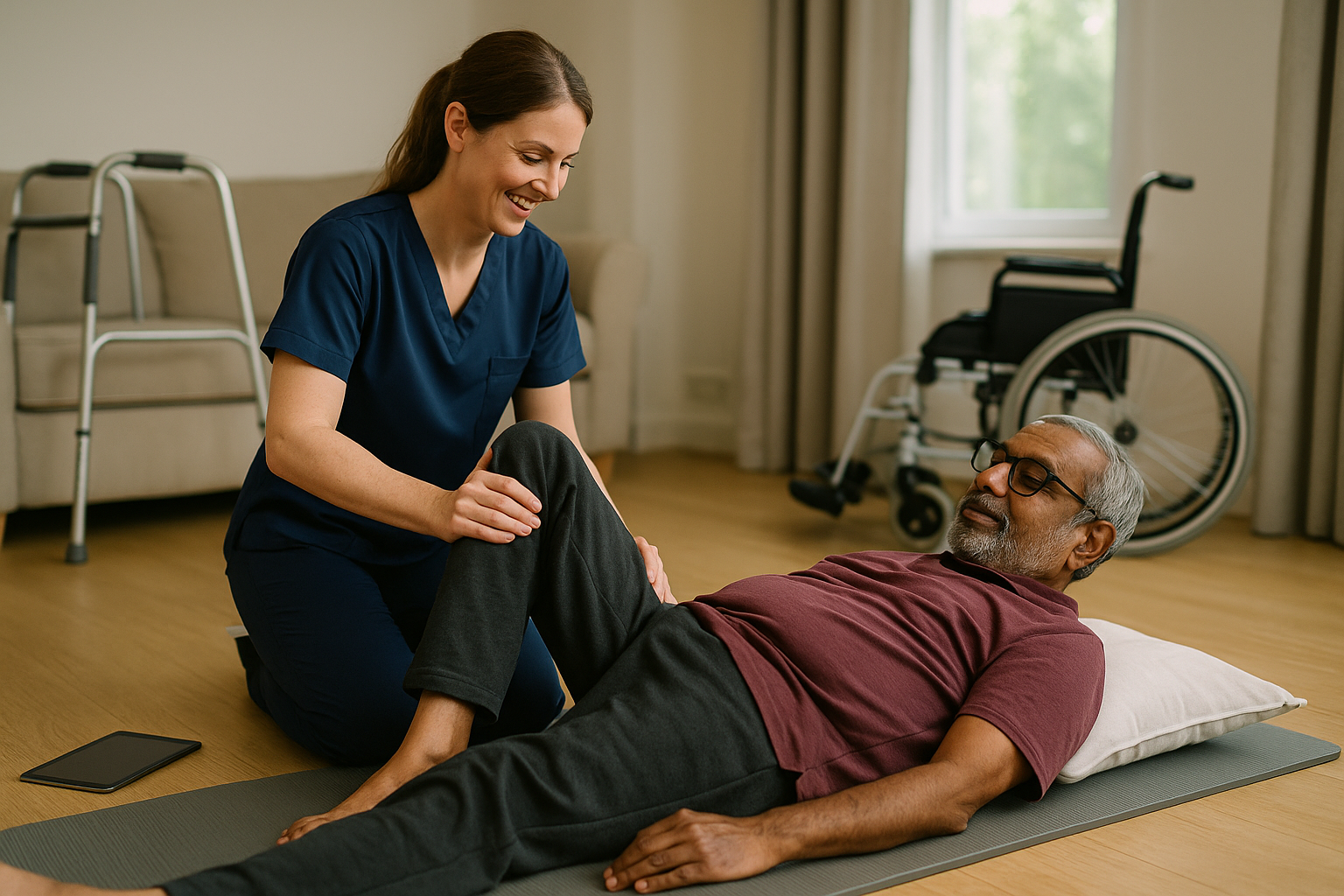
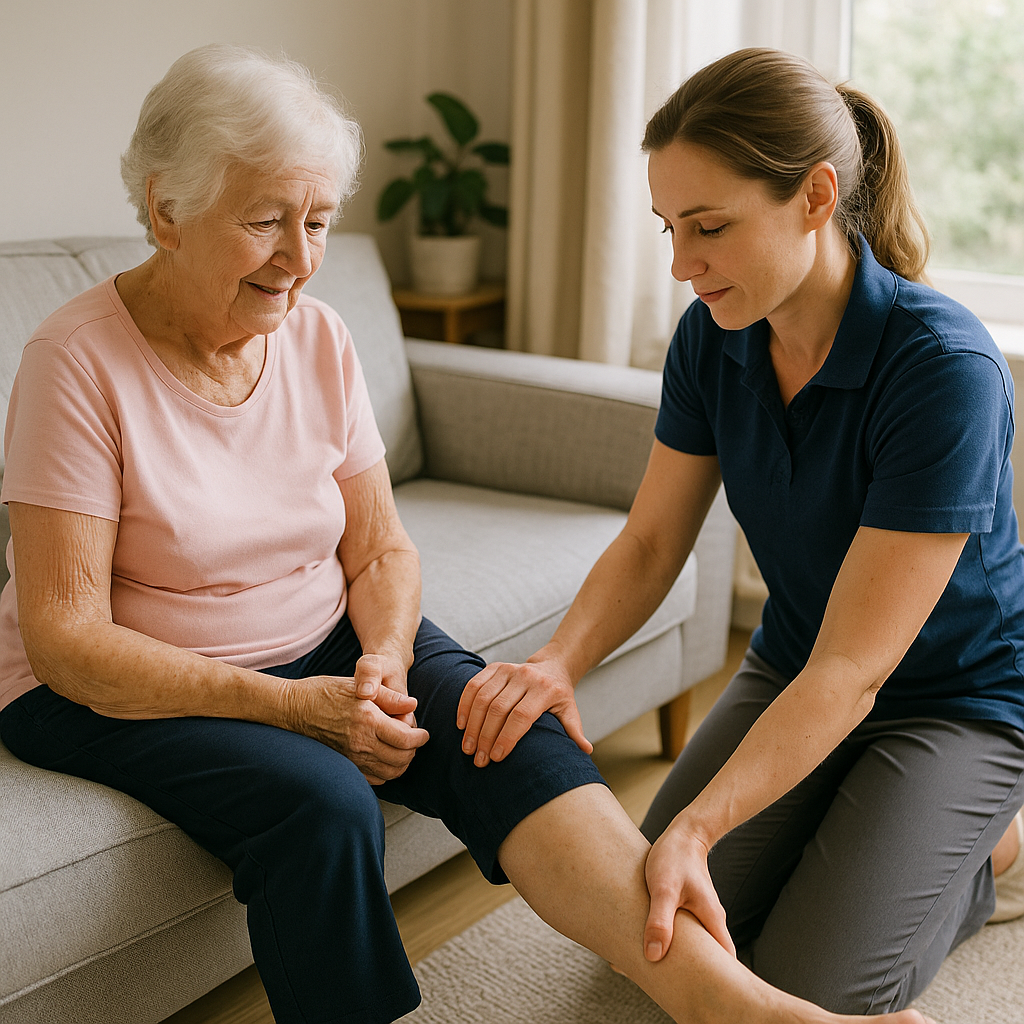
As a home based physiotherapy service we bring specialist physiotherapy assessment, treatment, and tailored rehabilitation plans directly to you in the comfort of your home – or wherever you are staying. We focus entirely on your personal needs, goals and where possible, functional independence.
We know that hospital or clinic appointments can be challenging for many people. By providing home based physiotherapy care, we create a calm, familiar environment where you can openly discuss your activity goals – no matter how big or small.
With NHS waiting times for rehabilitation longer than ever, we can bridge the gap, guide you through your recovery, or provide ongoing support until NHS services are available.
Whether you’ve lost confidence outdoors, are recovering from a hospital stay, have experienced a fall, or are adapting to a new diagnosis, we will work with you to regain strength, balance, and independence.
Our evidence-based approach ensures every plan is measurable, goal-focused, and proven to improve outcomes for older people, all in the comfort of your home environment.
COLLABORATIVE CARE
With your consent, we’ll liaise with your GP and the wider team—nurses, community therapists, and exercise or support professionals—so everyone works to the same plan.
Rehabilitation is most effective when it’s joined-up; a coordinated approach provides broader support and leads to better outcomes.
If you live in a care home or supported accommodation, we can design mobility and movement plans for staff to use day-to-day, embedding physiotherapy into your care plan as well as your sessions with us.
DEMENTIA CARE
With many years’ experience supporting people living with dementia, we deliver a person-centred physiotherapy approach.
Each session is tailored to individual needs and day-to-day fluctuations in wellbeing, with communication, pace and delivery adapted to maximise comfort, engagement and safety.
Where helpful, we involve family and care staff so strategies are reinforced between sessions.
Hospital Deconditioning
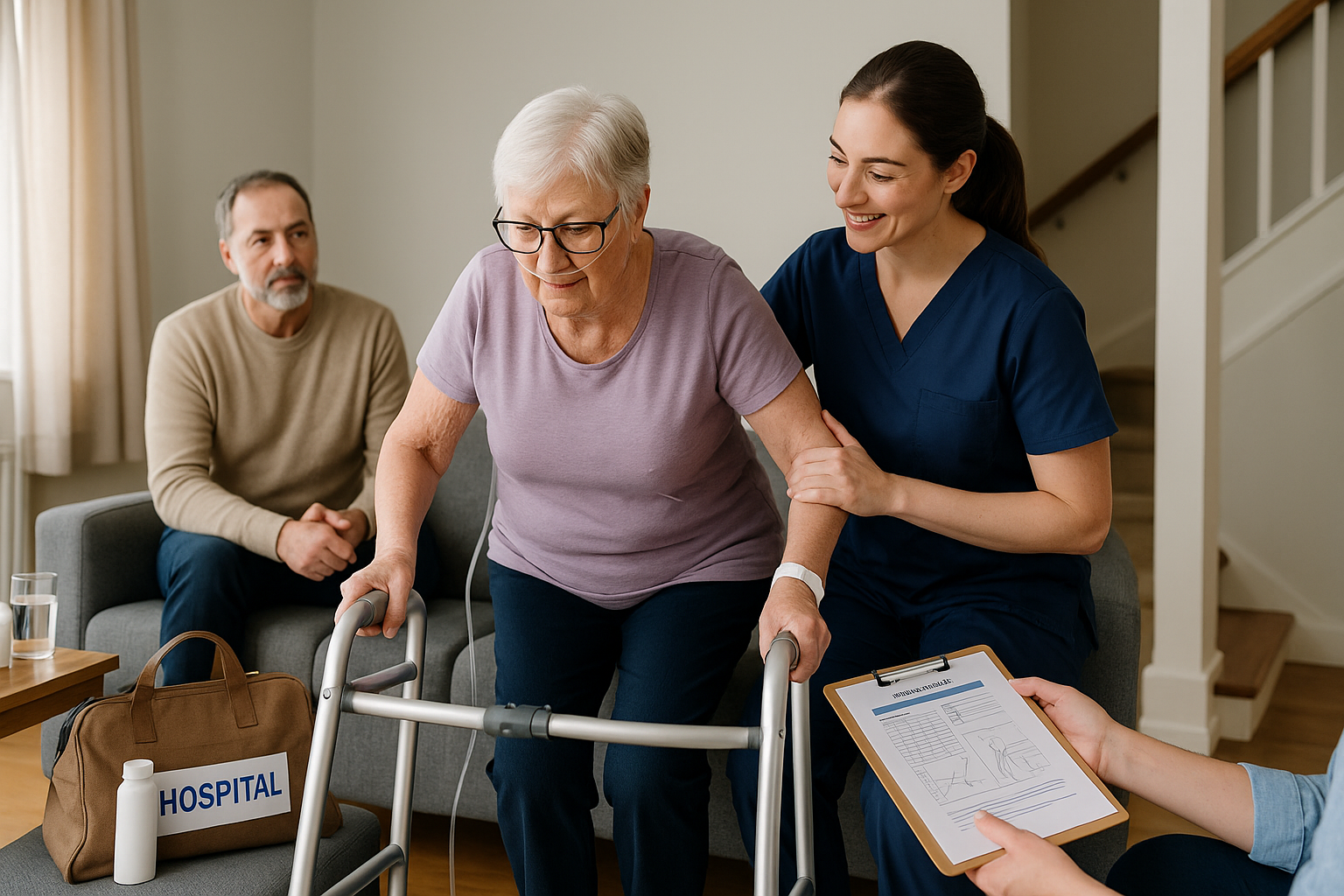
Extended hospital stays can lead to “deconditioning” — a drop in strength, endurance, balance and confidence that makes everyday tasks harder. We make the move from hospital to home safer and smoother with tailored, home-based physiotherapy.
Your programme focuses on rebuilding strength, mobility and independence in your own environment, with clear goals and regular reviews.
Changing and reducing mobility can arise from a number of factors occurring as we age.
Combined with recently acquired conditions and progression of long term conditions, your walking may not feel so easy and you can begin to slow down or even begin to struggle to get up from a chair or out of bed.
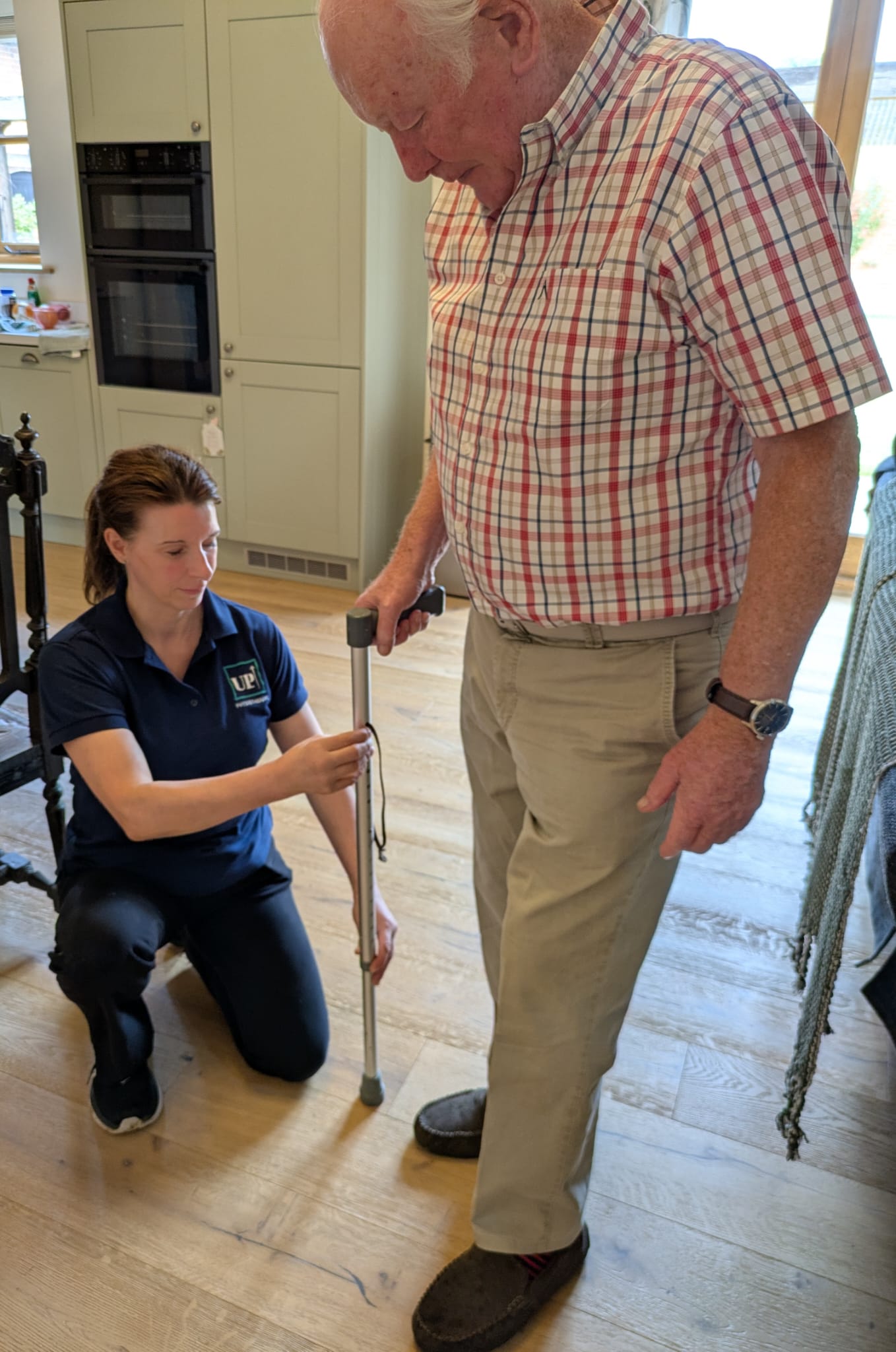
Building a picture of what is behind this is a key part of our comprehensive assessment approach. We can then advise how to improve, adapt or suggest walking aids
Reduced Balance and Fear of Falling
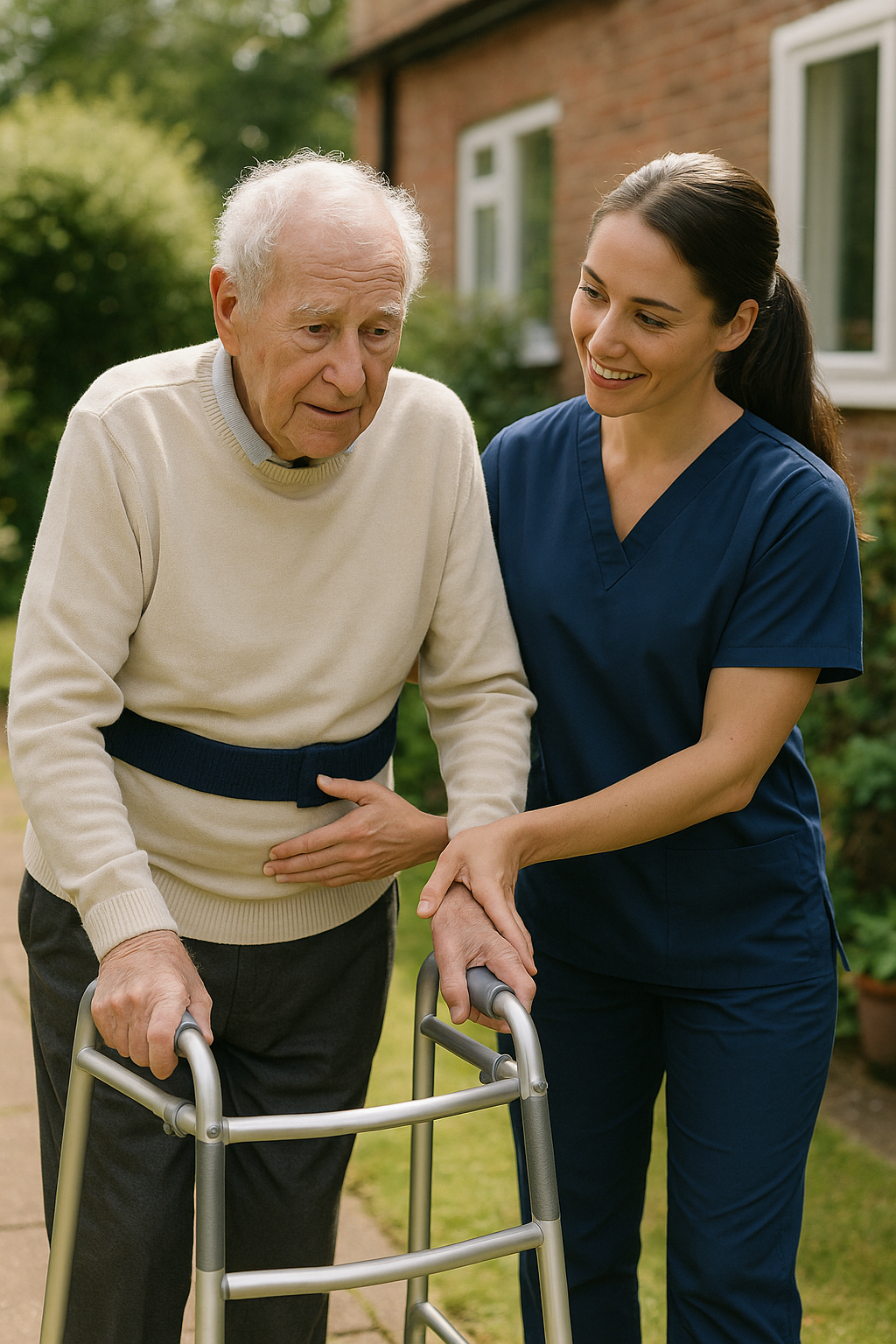
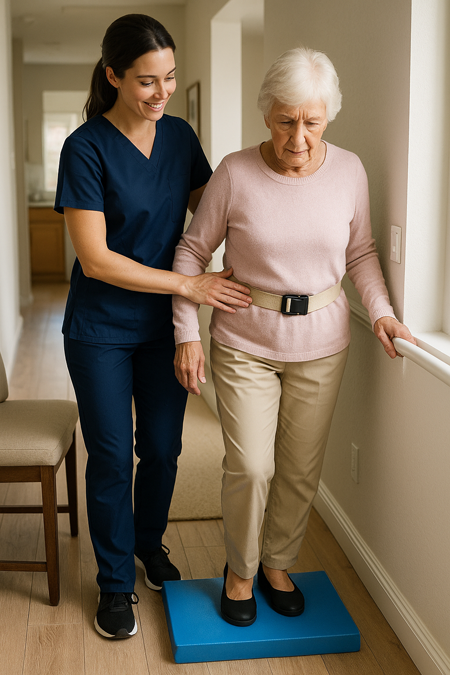
A fear of falling can limit independence and quality of life. We assess balance, gait and home risks, then provide targeted exercises, gait and strength training, and advice on safe movement and equipment.
If you would like to, we can connect you with local activities so you can keep building confidence long after your sessions.
Physiotherapy for Orthopaedic and Joint Surgery
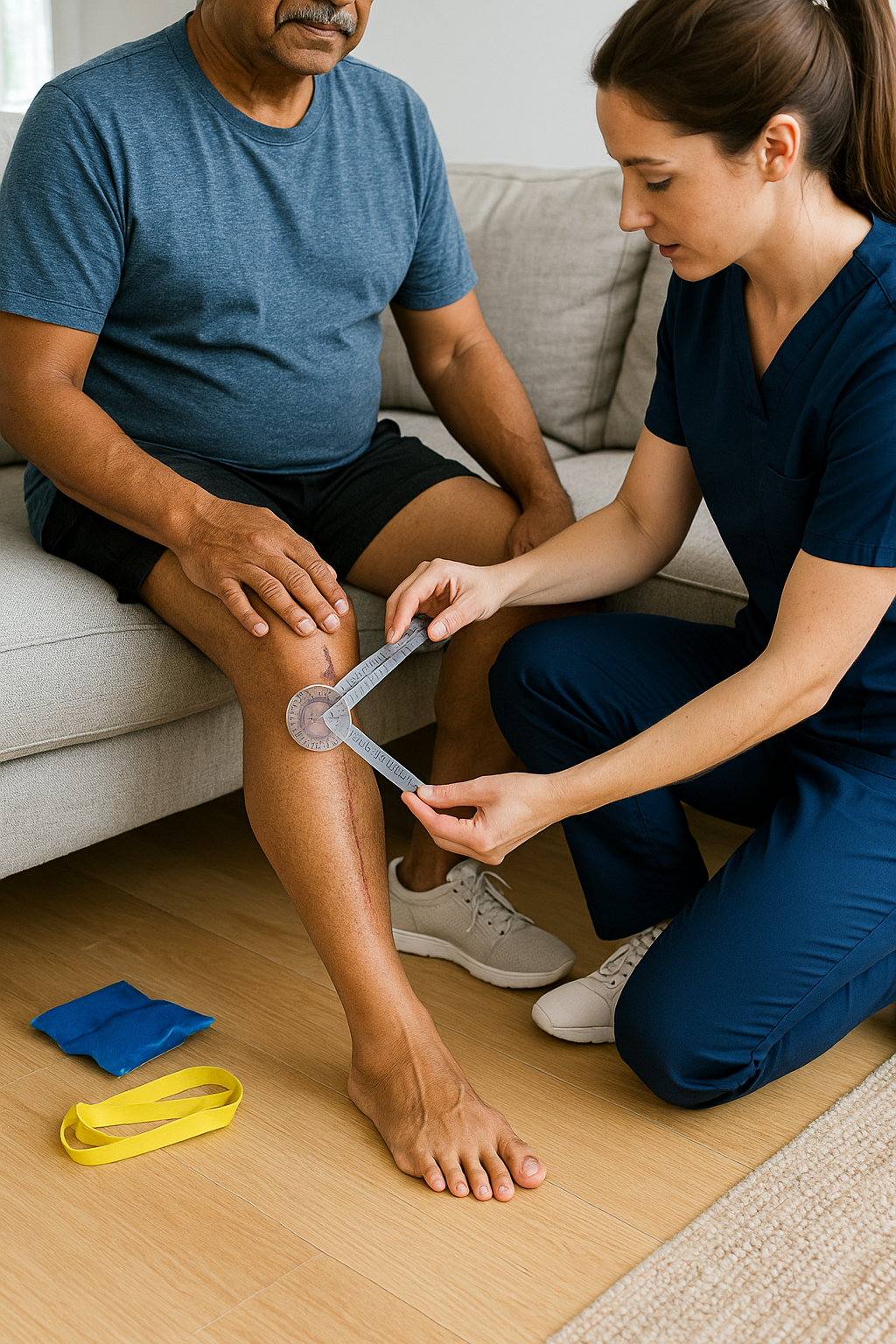
Orthopaedic surgery—whether elective or necessitated by trauma—can have a significant impact on quality of life. Optimising postoperative mobility and activity levels in older adults is essential to enhance recovery outcomes and facilitate a timely return to preferred activities. Proven treatment options include specific exercises, and functional goals are available to guide your recovery and are also known to reduce readmissions to hospital.
Prehabilitation may be adjusted to suit an individual’s planned joint surgery through exercises appropriate for their ability and comfort. Studies show that strengthening muscles and improving balance before surgery can lead to better surgical outcomes.
Long-Term Conditions
For conditions such as arthritis, Parkinson’s, stroke, MS, heart or lung disease, we take a whole-person approach.
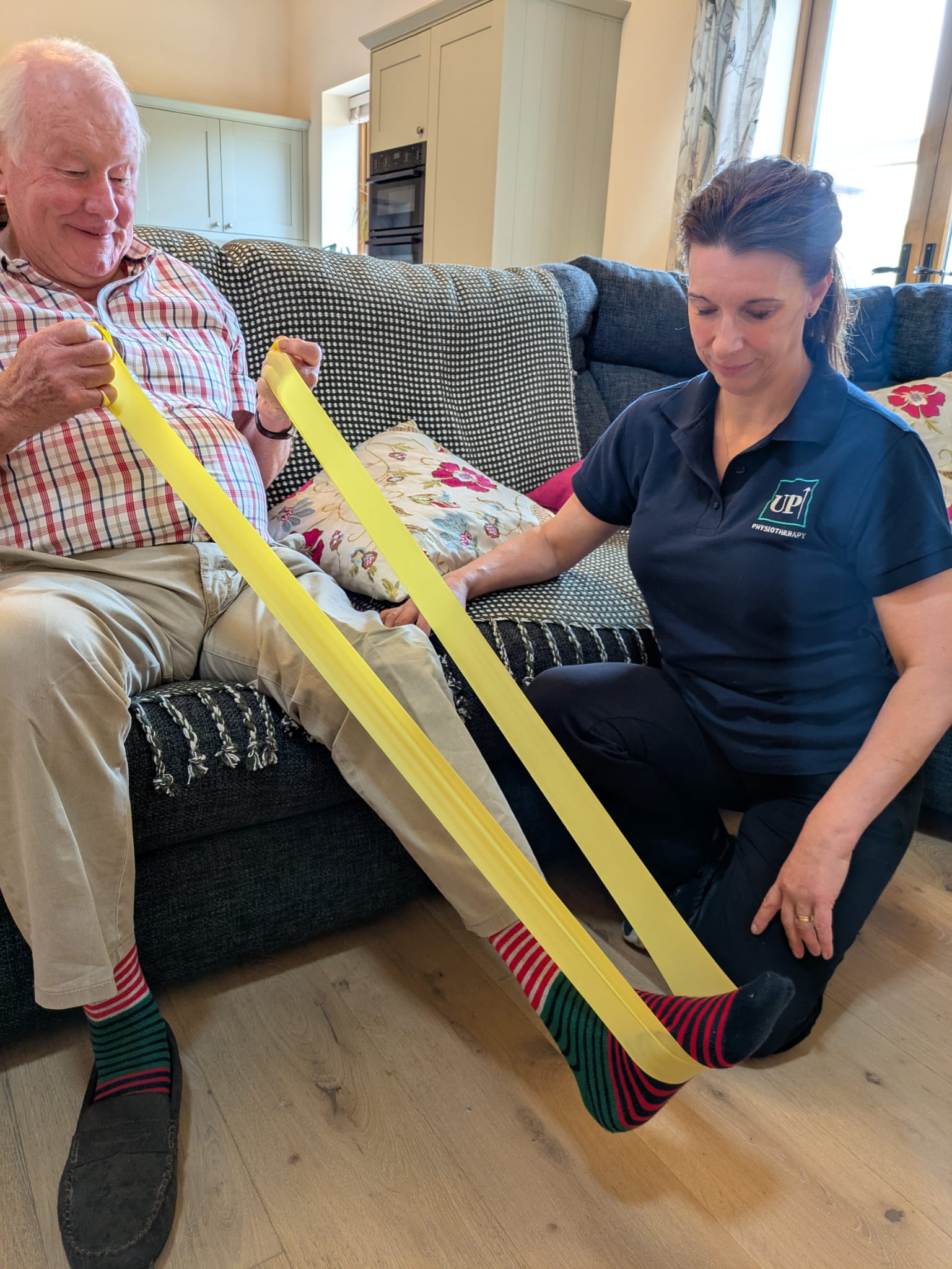
With your consent we collaborate with other professionals to build a clear picture, then provide education and self-management strategies (pacing, energy conservation, breathlessness techniques), functional training to maintain independence, falls prevention, and advice on adaptive equipment where beneficial.
What to Expect
At your first appointment we’ll start with a thorough conversation about your medical history, current symptoms, medications, daily activities, goals and home set-up (including any falls risks). I’ll then carry out a detailed activity and physical assessment—looking at posture, gait, balance, strength, flexibility, joint range and how you manage everyday tasks such as transfers and stairs.
I’ll explain the findings in plain language and we’ll agree goals that reflect what matters most to you. Treatment may include hands-on therapy, a tailored exercise programme, gait and balance training, mobility-aid set-up if needed, and practical self-management advice. You’ll receive a written management plan outlining exercises, session frequency, progression and how we’ll measure improvement. With your consent, I can liaise with your GP and other professionals to coordinate care.
You’ll leave with:
- a clear understanding of your condition and goals
- a personalised plan to move you forward, reviewed and adjusted regularly.